 Image 1 of 9
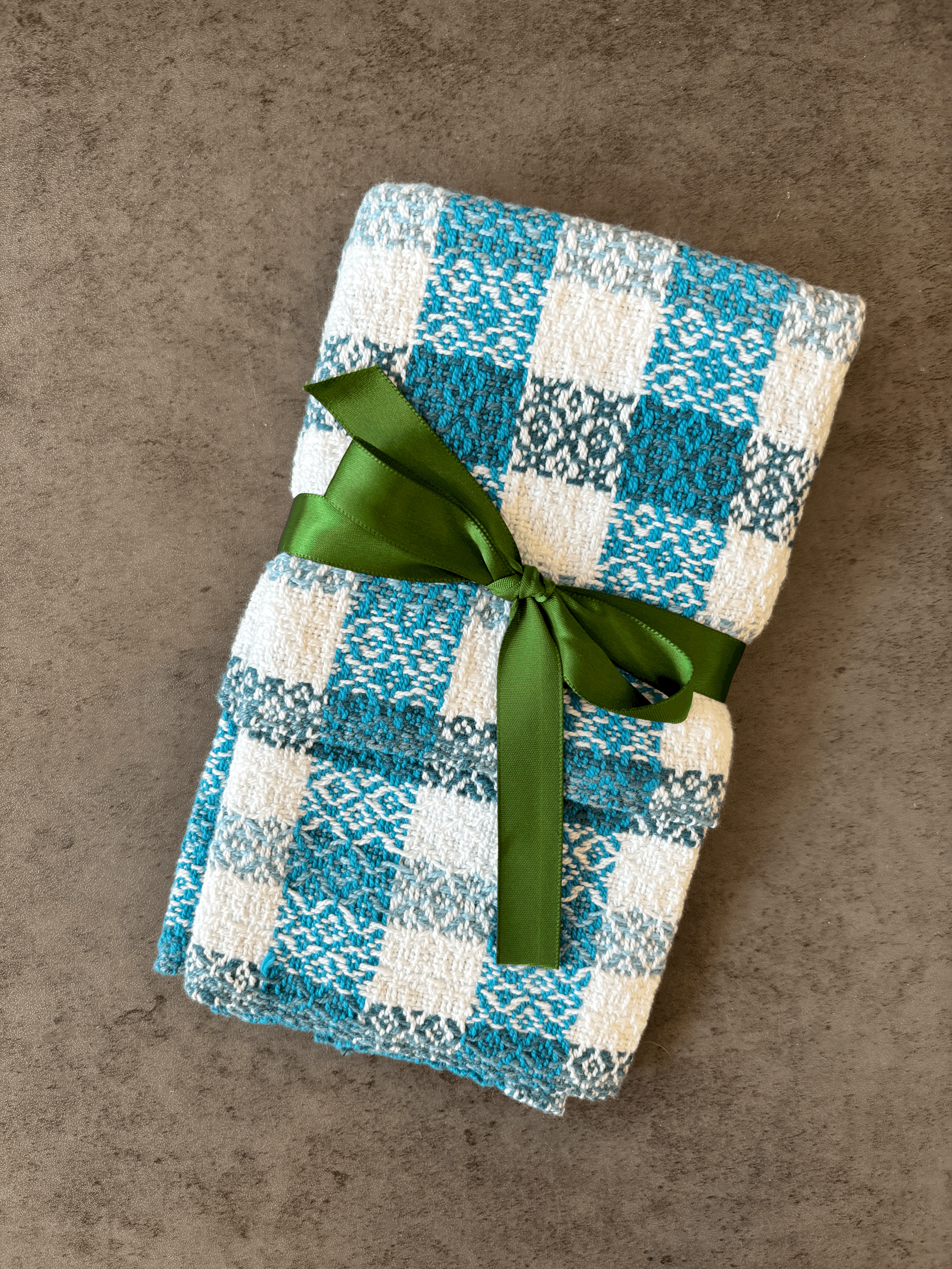 Image 2 of 9
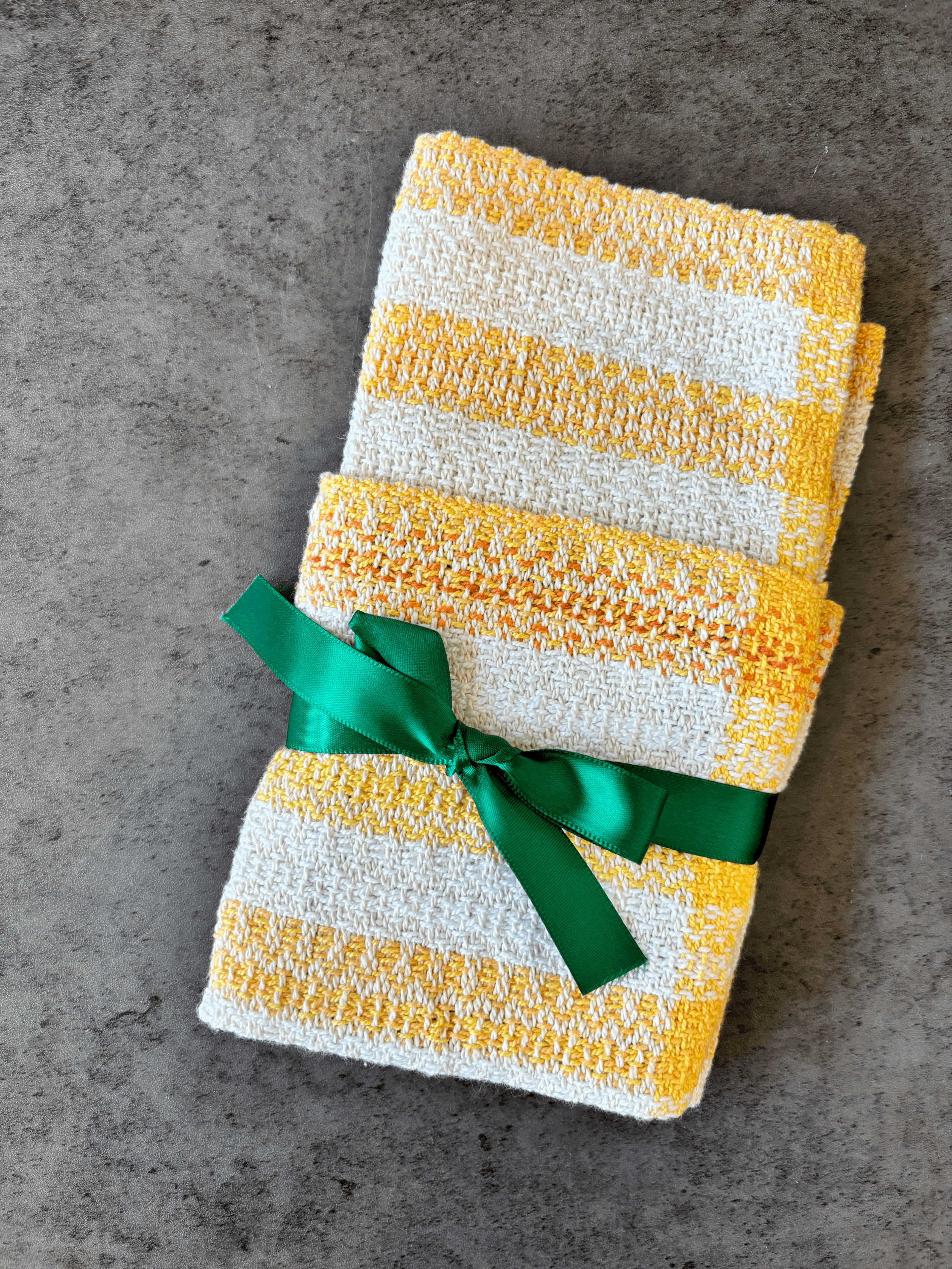 Image 3 of 9
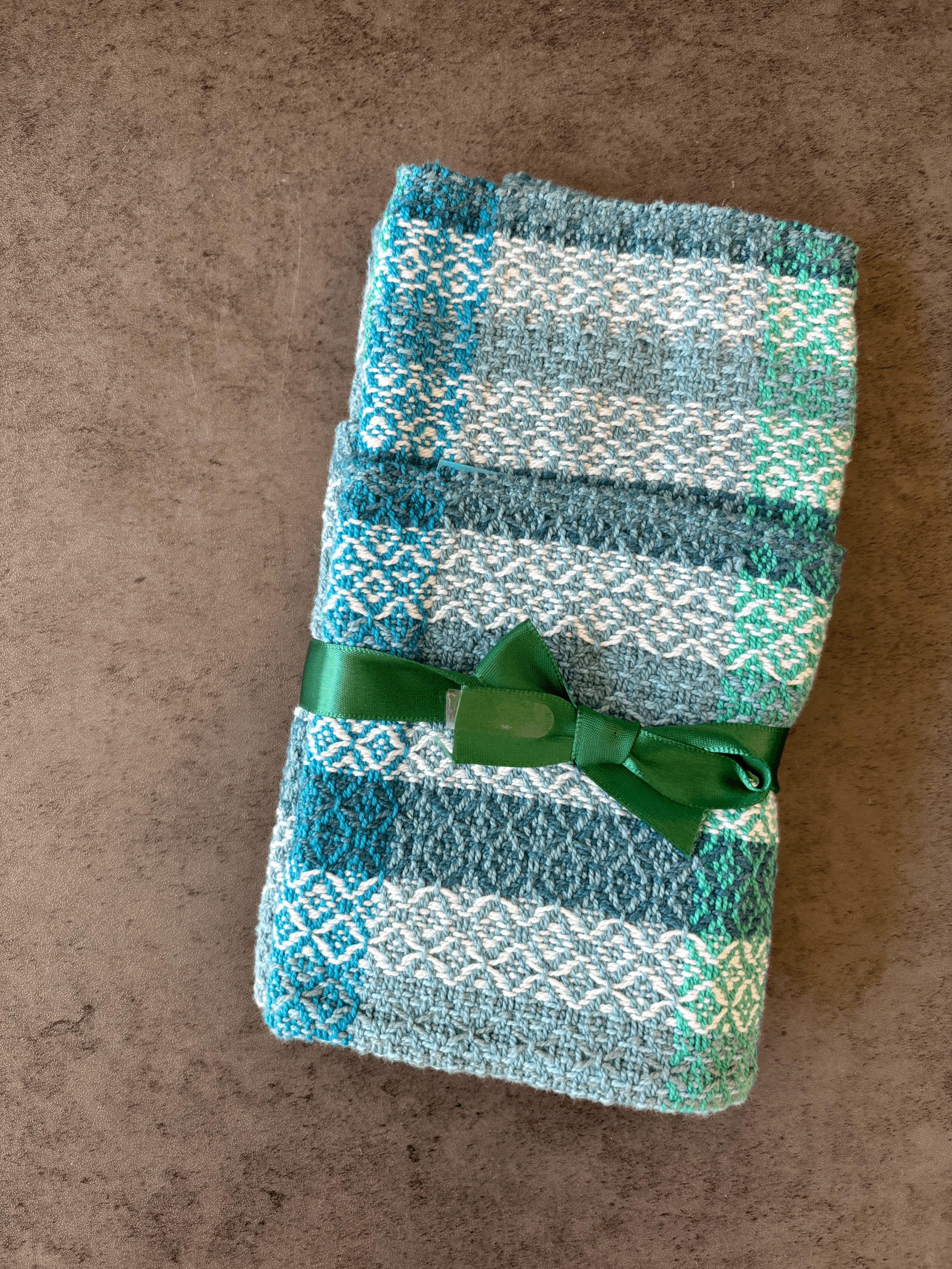 Image 4 of 9
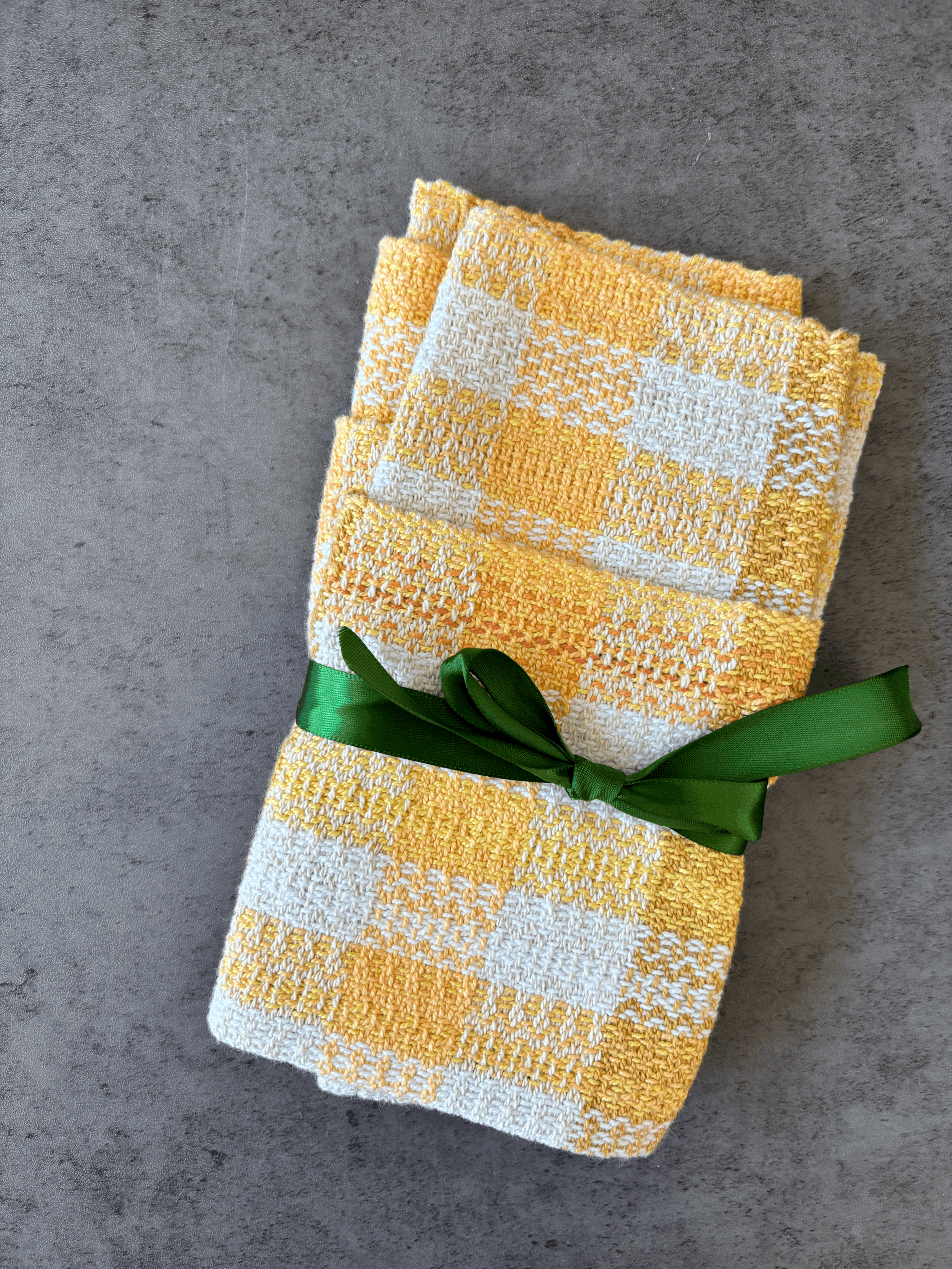 Image 5 of 9
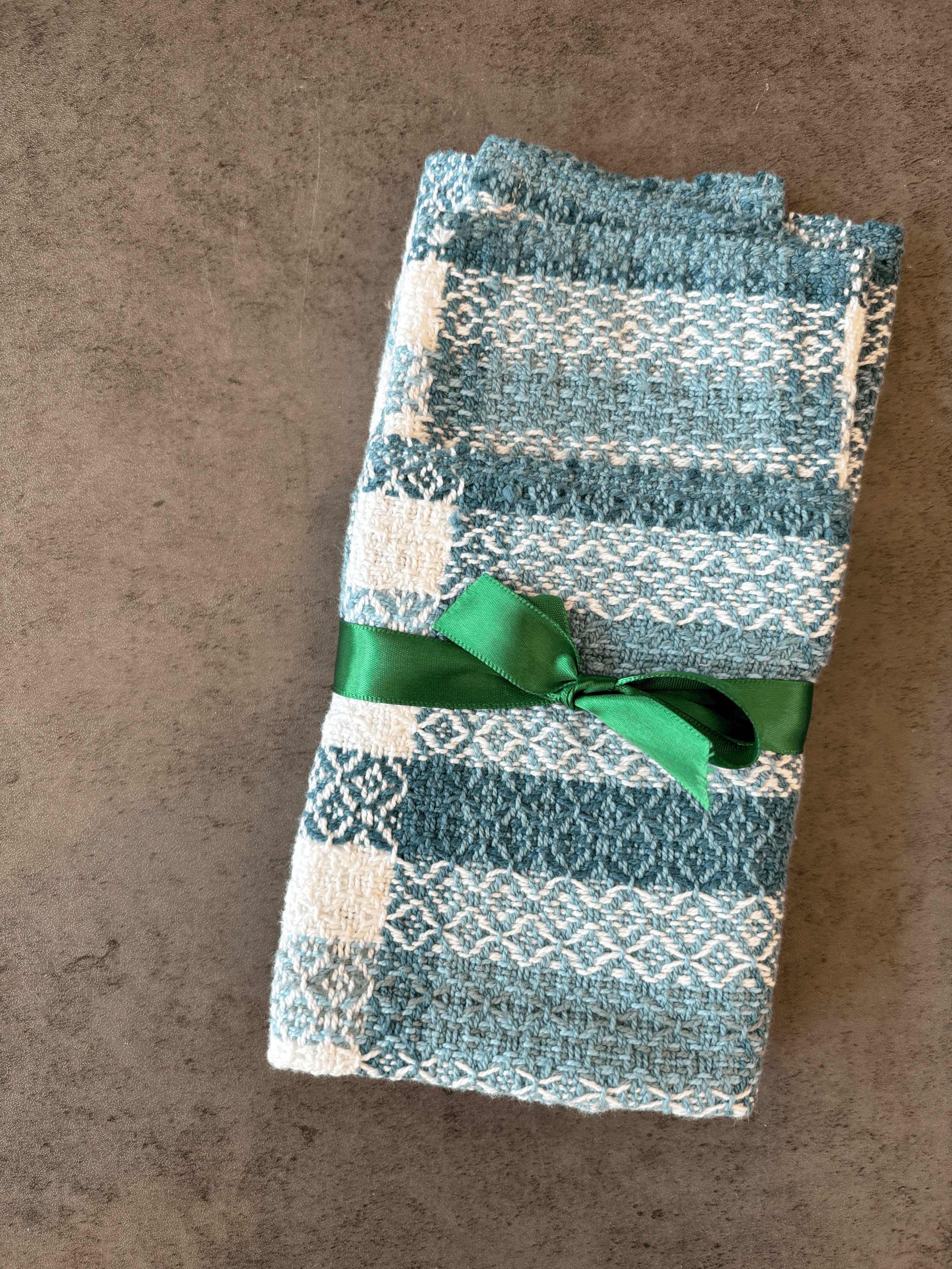 Image 6 of 9
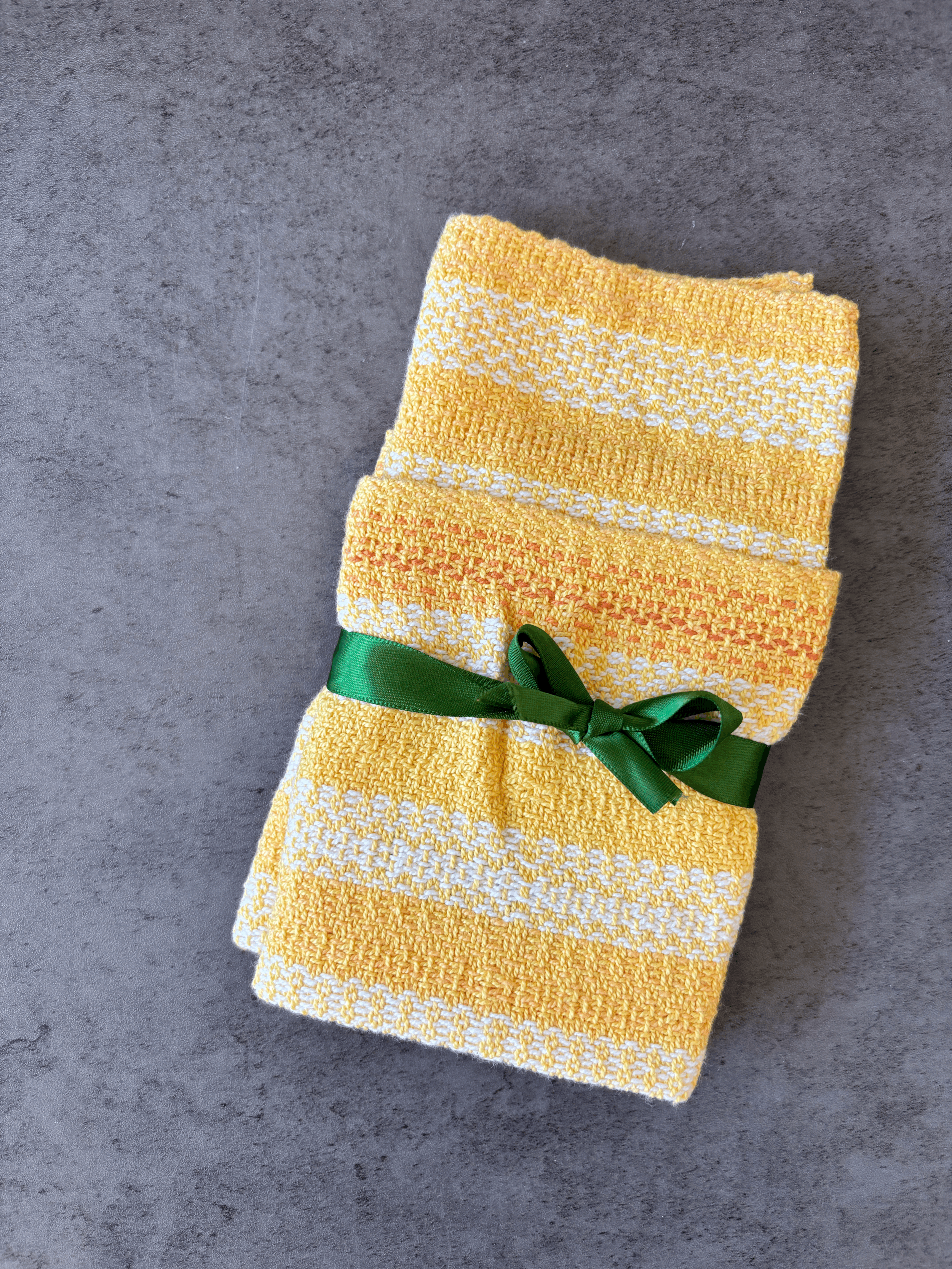 Image 7 of 9
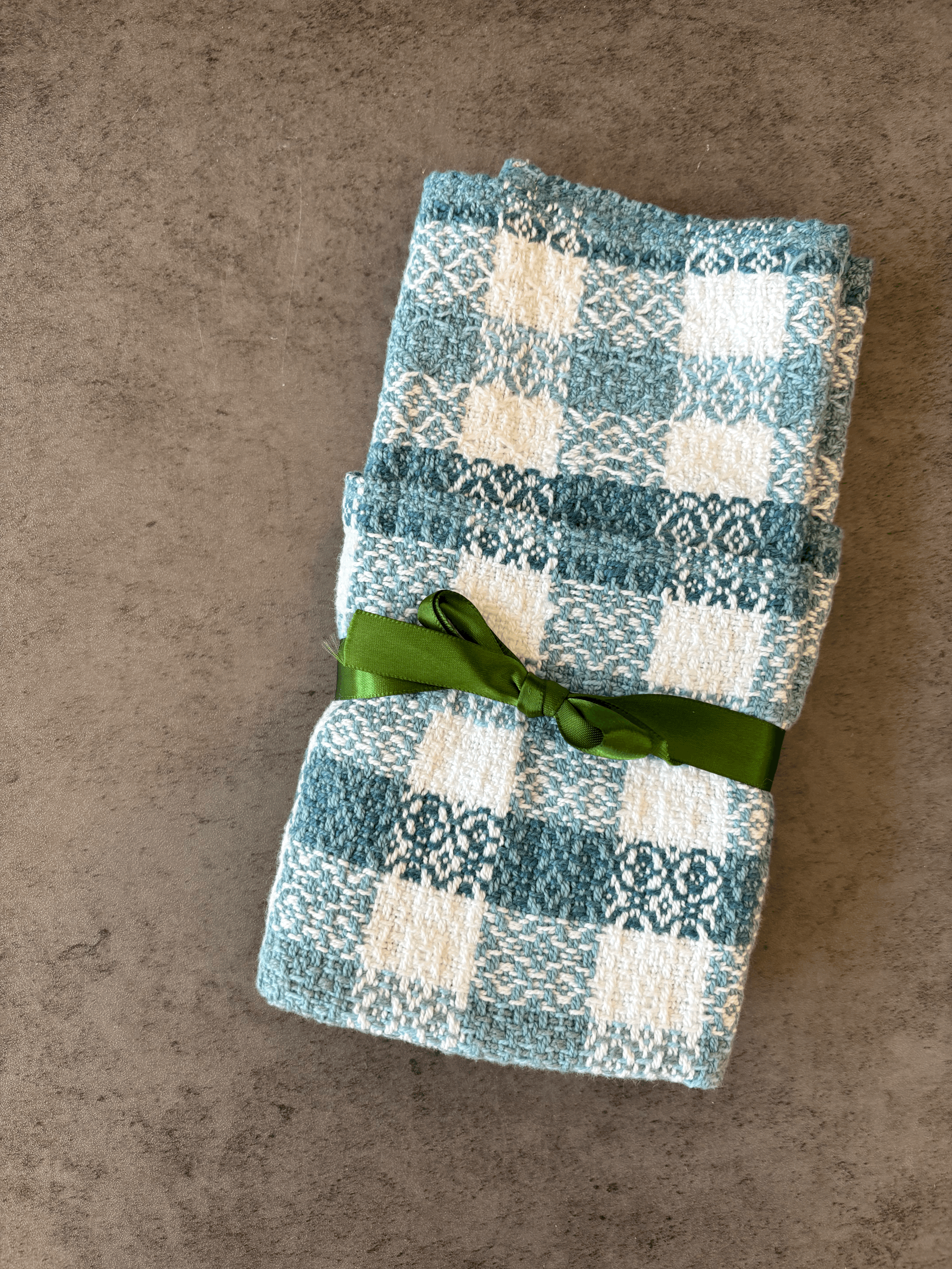 Image 8 of 9
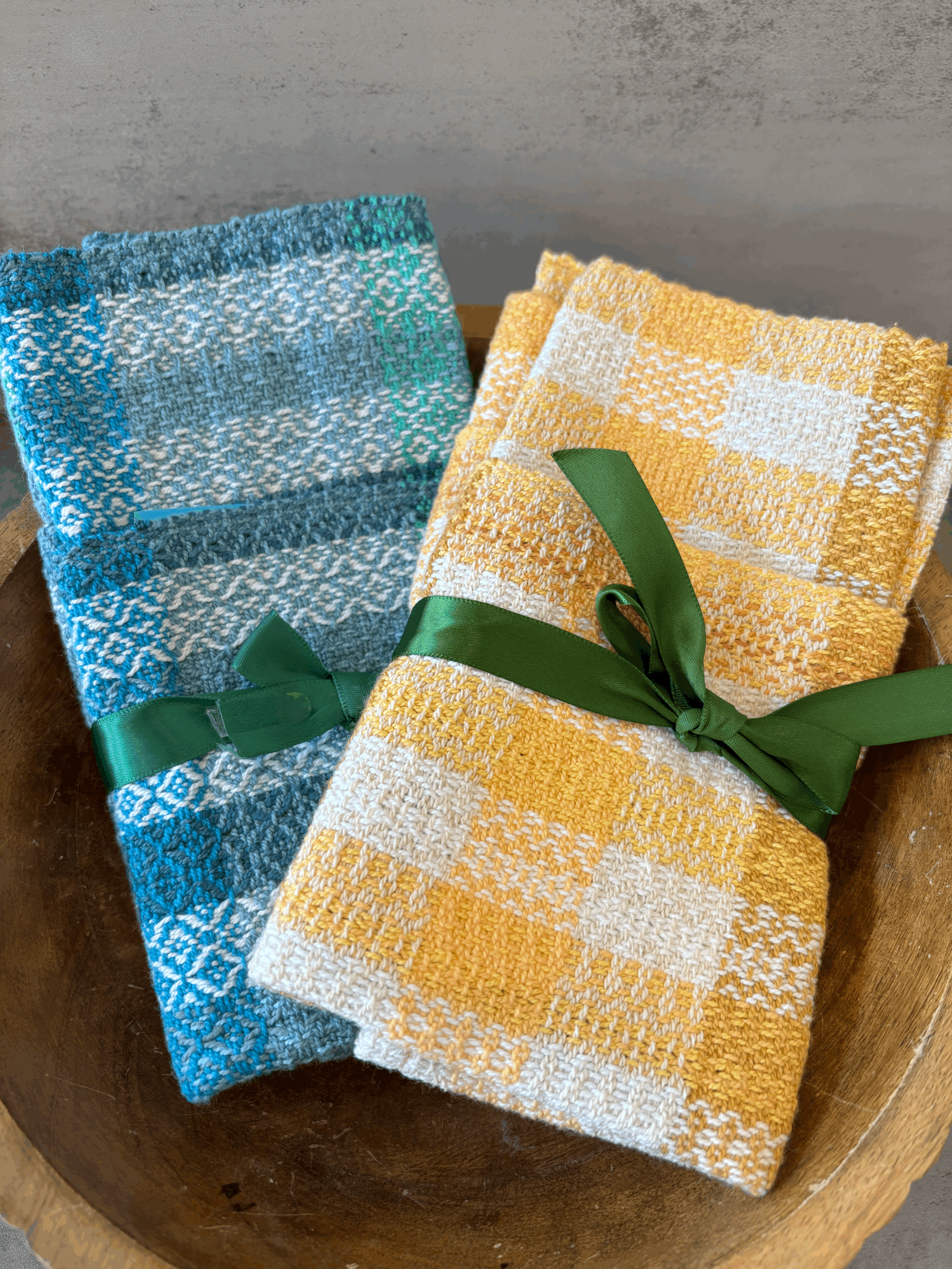 Image 9 of 9
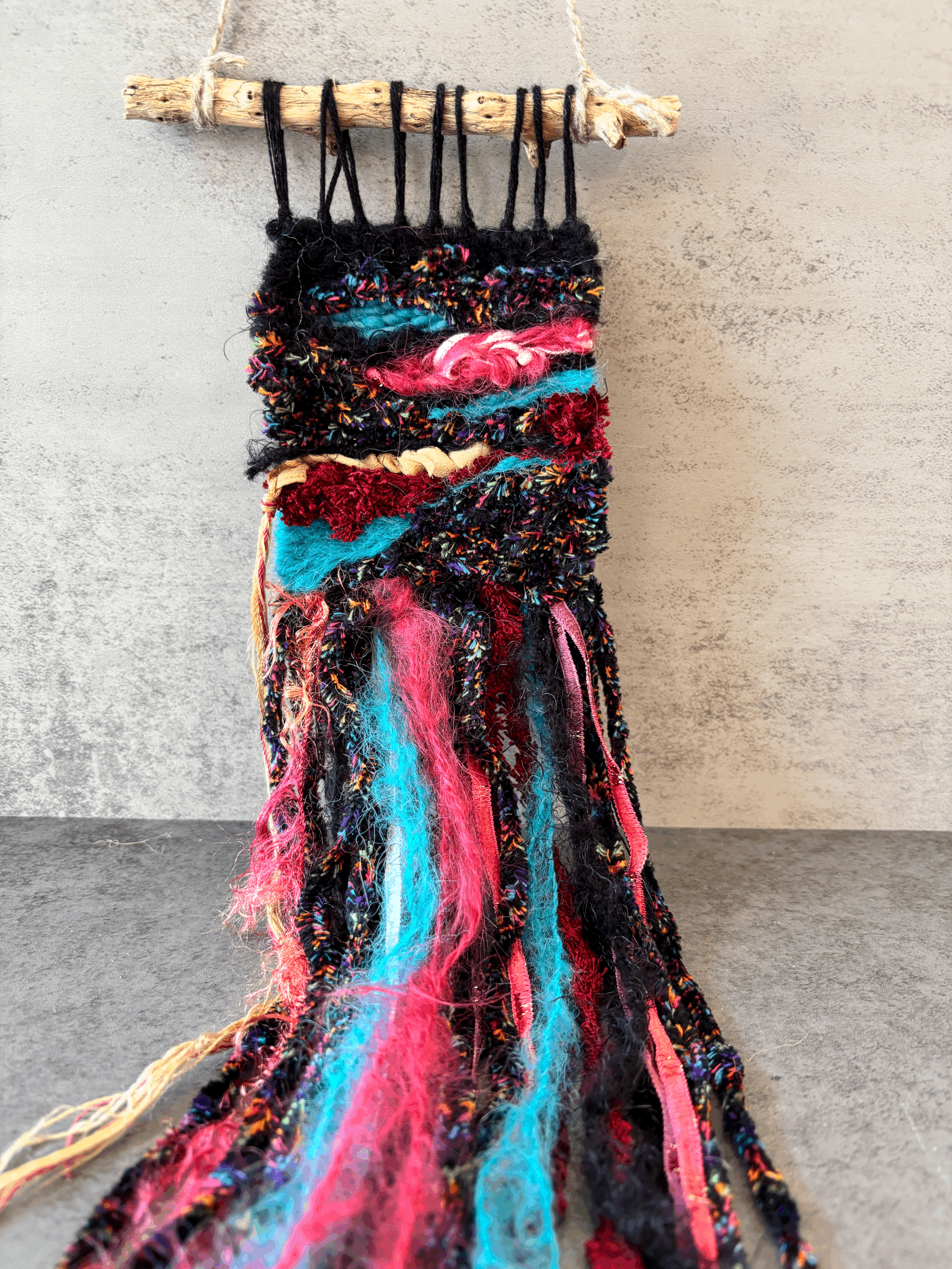
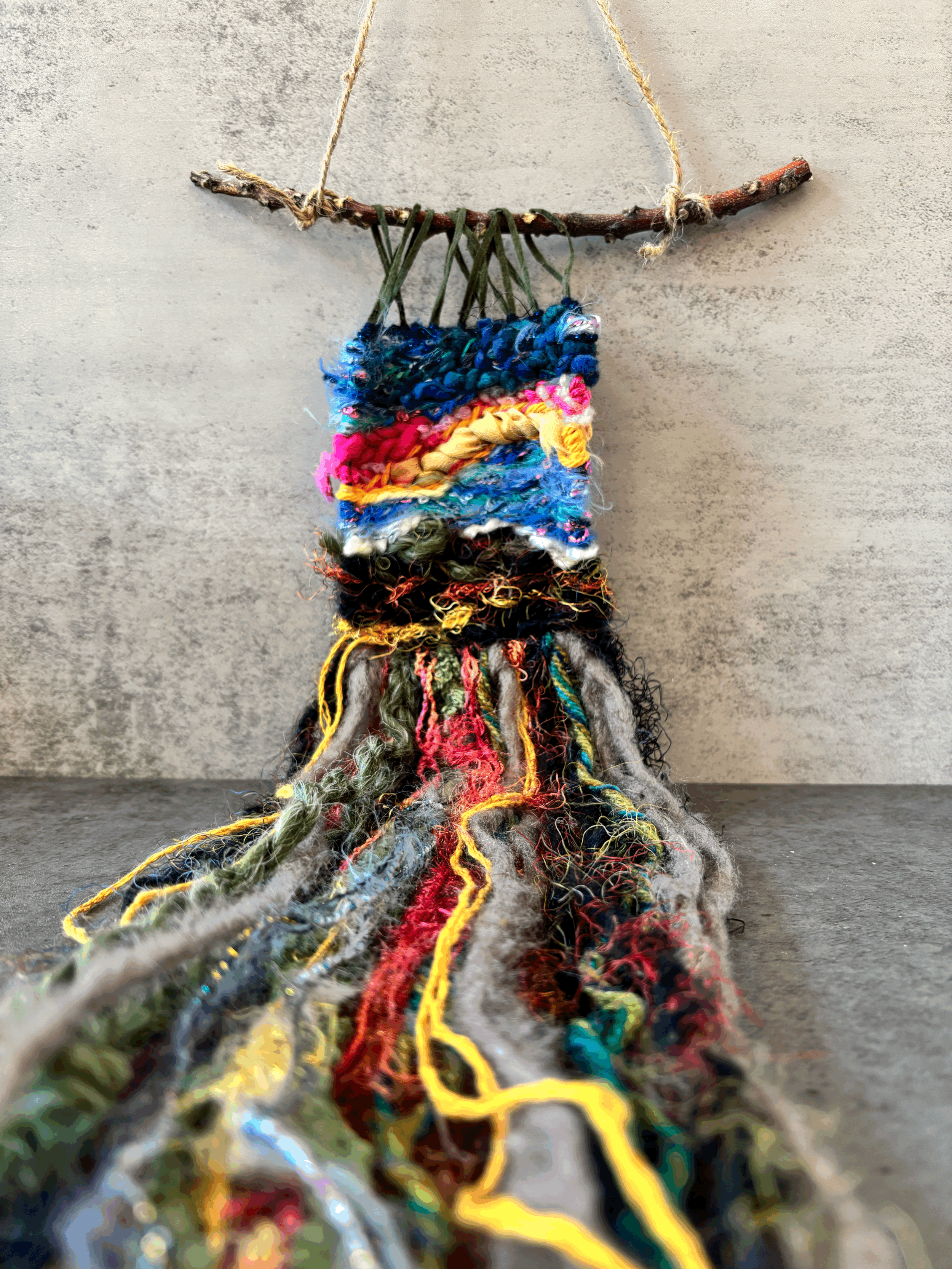
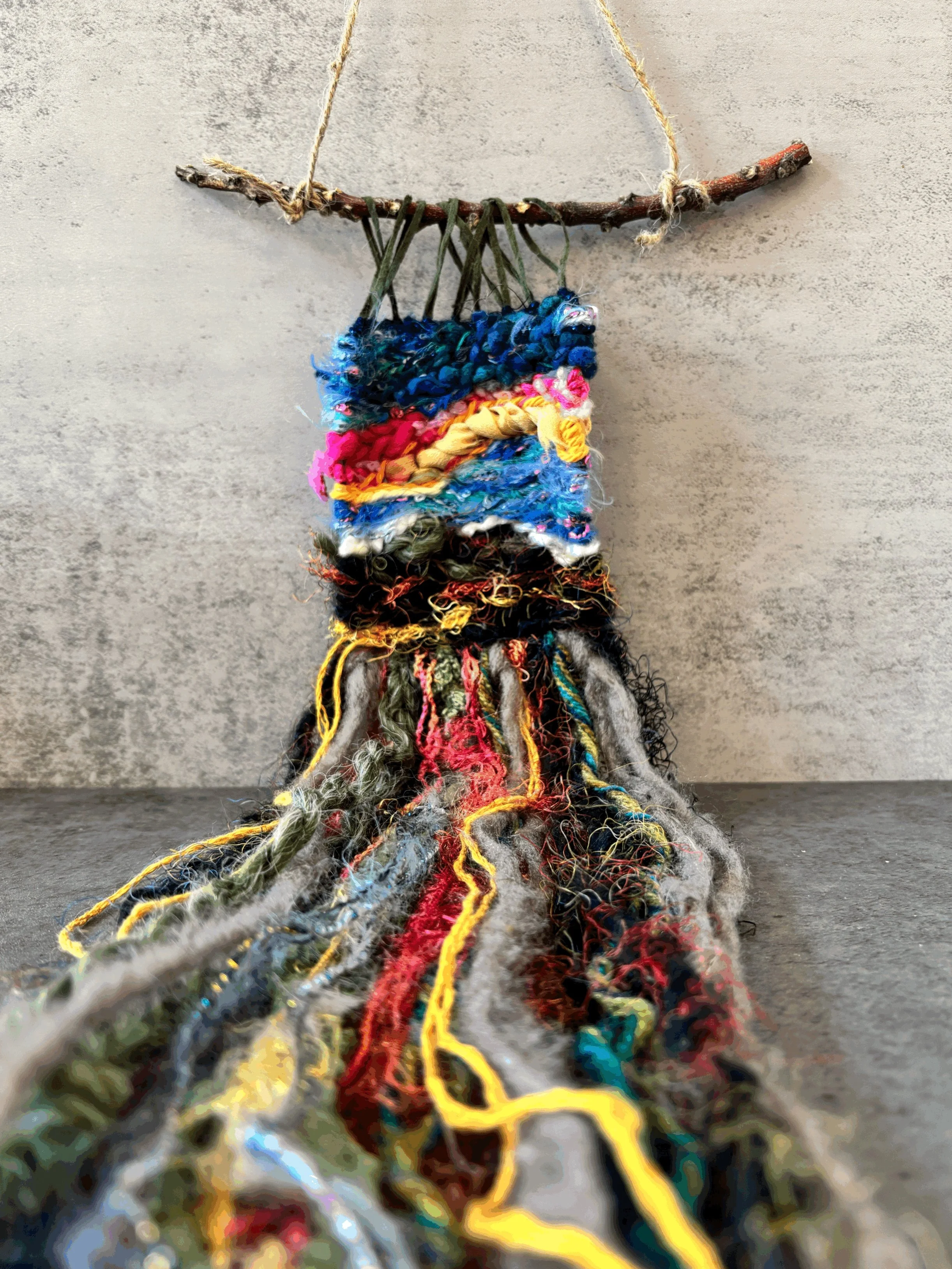
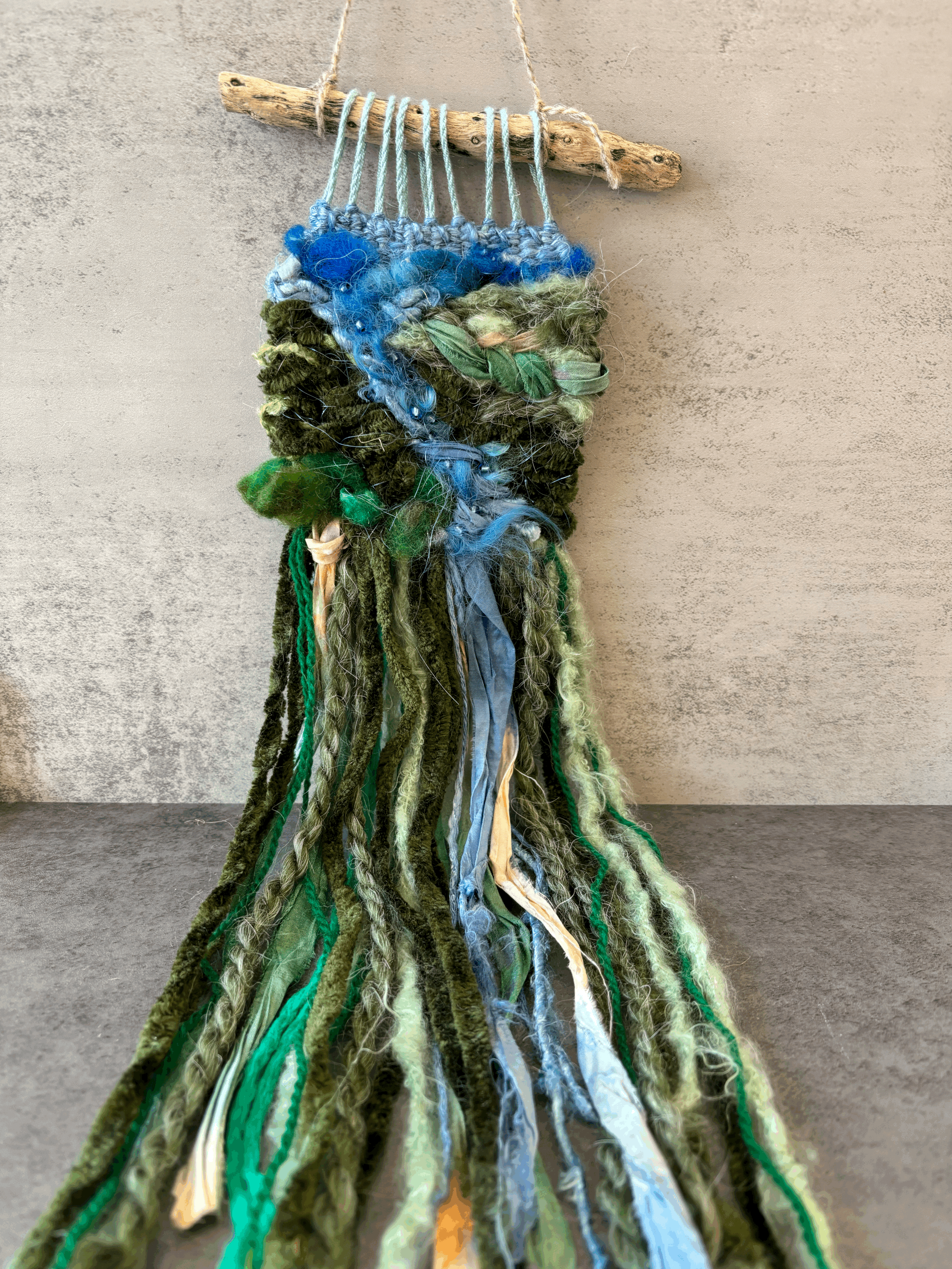
Weaving is an ancient craft, dating back 27,000 years. Virtually all cultures on every continent have practiced weaving for both functional and artistic purposes, and today’s weavers work in much the same way. Weaving consists of interlacing two sets of threads, one vertical and one horizontal, usually using a loom. There are many types of looms, and approaches to weaving. The weavers in SisterWeaves primarily use inkle looms, rigid heddle looms, and larger four and eight shaft floor looms. Small looms, and even handmade looms made of cardboard,can also be used to create fun and colorful textiles that can be used as wall hangings, coasters, or put to other uses.
Rigid heddle looms are more modern, only dating back about 100 years, although their precursors go back to ancient Rome. A rigid heddle loom has a rectangular wooden frame, and a rigid heddle reed, with slots and holes that thread goes through to create a warp. The yarn in the slots can move up and down, while the yarn in the holes stays relatively fixed. The weaver raises and lowers the heddle to create a space for a shuttle to pass through, creating the weft. These looms are very versatile, and are used to create scarves and shawls, coasters, rugs, table runners, placemats, tapestries, and well, use your imagination!
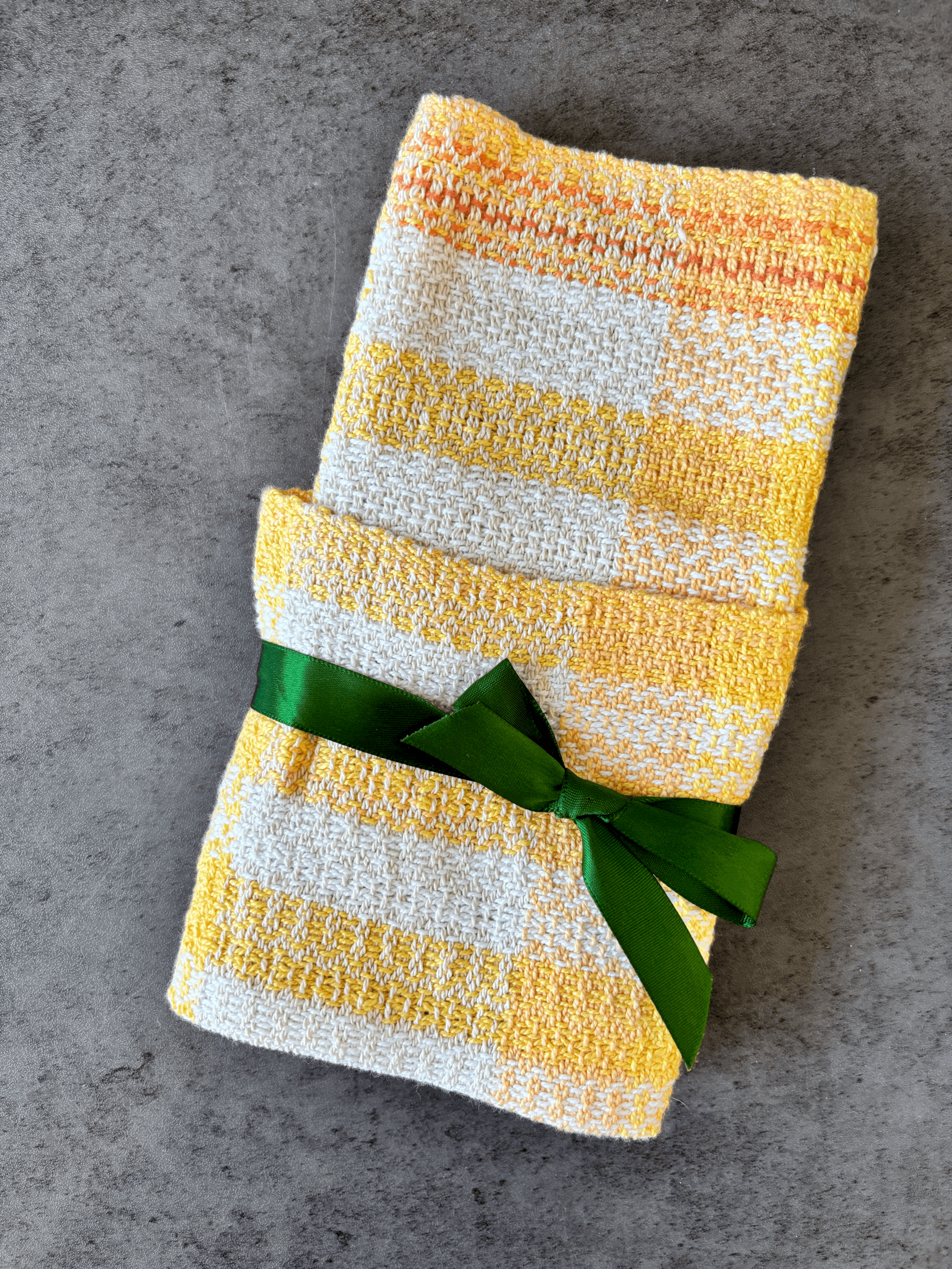
These napkins are handwoven on an eight-shaft loom, each individual design is unique and crafted with long lasting, absorbent, ring spun cotton. Each handmade napkin has its own individual character - so perhaps similar, no two are identical.
Penny Seay is an Austin fiber artist who loves to weave, and especially to create colorful bands on one of her inkle looms using tablets, heddles, pick-up techniques, and imagination. Sandy Rice weaves on multiple looms at her Southeast Austin home with her husband, 3 elderly cats, and a very spoiled Rottweiler. Penny and Sandy, along with Denise De La Garza, make up SisterWeaves, fiber artists based in Austin.
100% cotton. Wash and tumble dry.